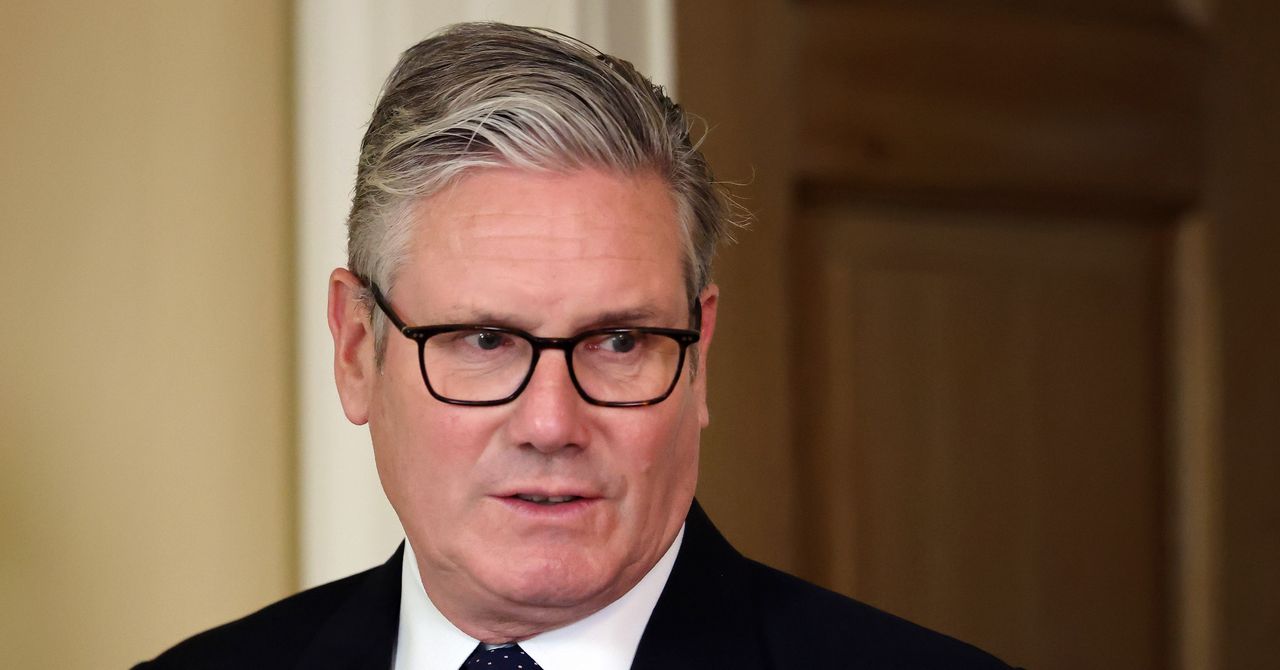
Children under the age of 16 will be banned from social media platforms in the UK, under new measures announced by prime minister Keir Starmer on Monday.
“The need for action could not be clearer. Social media is making our children unhappy and unsafe,” said Starmer, in an X post. “Our children deserve better.”
Under-16s will lose access to social media platforms including Facebook, Instagram, X, TikTok, Snapchat, and YouTube, while the minimum age for chatbots that imitate romantic interactions will be raised to 18. The ban does not apply to messaging services WhatsApp and Signal.
Under the new measures, expected to come into force in spring 2027, the UK government will also ban livestreaming features and the ability for strangers to contact children under the age of 16 across all platforms.
In an effort to restrict late-night doomscrolling, it will also consider introducing an overnight social media curfew for under 18s, with details to follow in July.
The social media ban is characterized by the UK government as an attempt to shield children from extreme and graphic content and other online harms, such as bullying. “This is a line in the sand,” Starmer added. “Tech giants had their chance and failed, but we’re stepping in to protect children, back parents and set a new normal for future generations.”
Meta, Snap, X, and TikTok did not respond immediately to requests for comment. YouTube spokesperson Jay Stoll said: “YouTube is a vital resource for young people, educators and parents. Blanket bans push kids out of such curated, supervised, beneficial experiences and towards anonymous, less safe services.”
Though British politicians have considered restricting teenagers’ use of social media for a number of years, the idea has gained in popularity since the Australian government imposed a similar ban—the first of its kind—last November. The issue has become surprisingly prominent in recent elections at all levels, multiple members of Parliament tell WIRED, and opposition parties have come out in support of a ban.
The UK ban follows a public consultation process that ran from March to May, attracting more than 100,000 submissions from parents, academics, lobbyists, government bodies, and the like. The government announced the new measures before releasing its full findings from the consultation, which it has promised to make public by the end of the summer.
A former special advisor to Starmer’s Labour government, who asked to remain anonymous to discuss internal party matters, says they believe that Starmer rushed through the ban in a bid to shore up parliamentary support, anticipating a challenge to his leadership. “The issue is a significant one for voters, and high-pressure by-elections [the equivalent of a special election in the US] and threats of a leadership challenge have forced Downing Street to move,” they say.
A preliminary research briefing published by the government suggests that the consultation respondents were broadly divided into three camps: those who supported total ban on social media for under 16s; those who supported a ban on particular features; and those who objected to any form of restriction.
More than 90 percent of parents that responded to the consultation support an outright ban. One of the most vocal advocates was Esther Ghey, mother of transgender teenager Brianna Ghey, murdered by two fellow schoolchildren in 2023. In her submission, Ghey said that her daughter’s mental health struggles were “significantly exacerbated by the harmful content she was consuming online.”
Those who called for a curb on allegedly high-risk features, rather than outright prohibition, characterize a ban as too blunt an instrument. “Something has to change, absolutely,” says Rowan Ferguson, policy manager at the Molly Rose Foundation, a suicide-prevention charity. “But what we’re really concerned about with the ban is that the government chooses to rush into solutions that the evidence just doesn’t support, rather than addressing the causes of harm.” Ferguson and others have argued that the root of the problem is the addictive design of these products, which the ban does not address.
