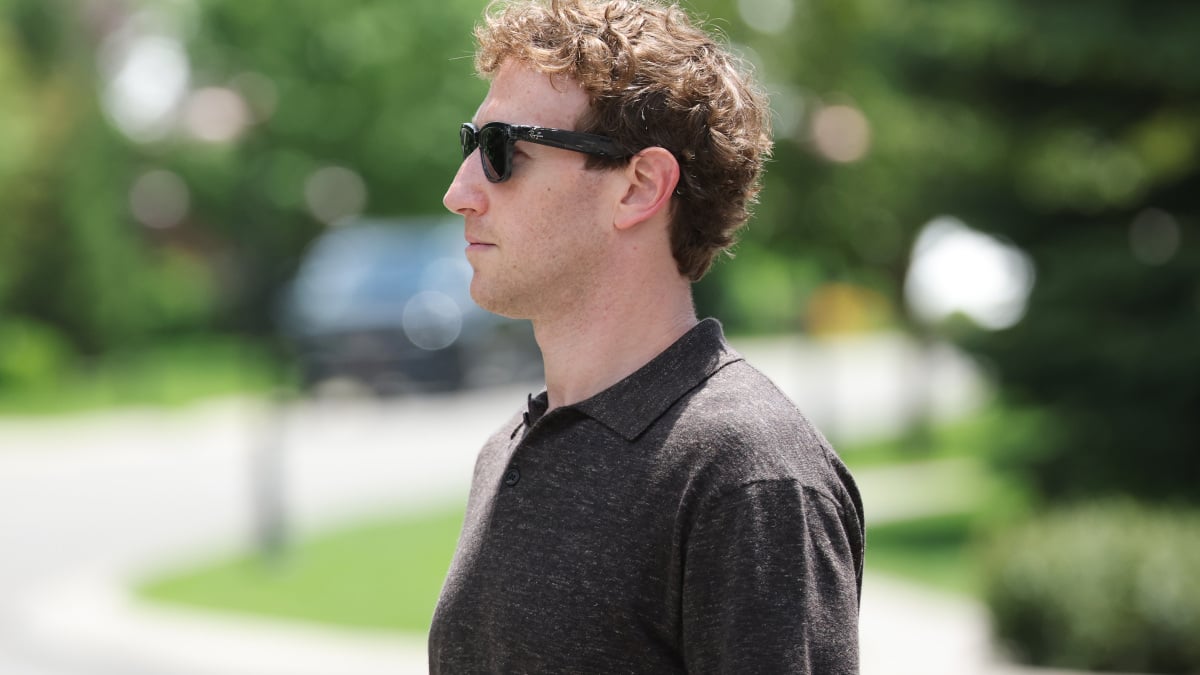
Meta’s smart glasses allow creators to record strangers without holding up an obvious camera. Unsurprisingly, it’s enabled a lot of bad behavior. Now, Instagram is placing new limits on what happens to that footage once it reaches the platform.
In an Instagram Story (first reported by Business Insider), Instagram head Adam Mosseri said the platform would remove smart-glasses videos that show people being harassed or taken advantage of.
“If you’re posting content that is taking advantage of people and harassing them, like a lot of these pickup line kind of videos that we’ve heard of and seen, then we’re going to take the content down,” Mosseri reportedly said. “We don’t want people to be surreptitiously taking videos of other people and harassing them and then posting them on our platform,” he added.
The belated crackdown covers formats including pickup videos — in which creators approach people who may not realize they are being recorded — and prank videos targeting cashiers, fast-food employees, and other workers.
The report also noted Instagram had deactivated two pickup-artist accounts that used smart glasses to film women in public, both with more than 1 million followers. Meta confirmed the accounts were removed for violating its policy against harassing content, but did not say when the removals occurred.
Meta also didn’t explain how Instagram will determine when an interaction becomes harassment, or how many posts and accounts have been removed. But recent incidents show why the platform is under pressure to draw a clearer line — and how much damage can be done before a video is taken down.
Why Meta’s smart glasses have raised privacy concerns
Meta first introduced its Ray-Ban smart glasses in 2021 and has since expanded its wearable lineup through partnerships with Oakley and Kylie Jenner. Depending on the model, the glasses can record photos and videos, play audio, make calls, and respond to requests through Meta AI. Meta has also made it easy for users to upload their smart glasses footage to Instagram, and this content is often labeled “Made with Meta Ray-Ban.”
Mashable Trend Report
A small white LED on the front flashes when the camera is operating. In a July 7 explainer, Meta said its second-generation glasses automatically disable the camera if they detect the light has been covered — a response to reports of users tampering with the recording indicator. People in at least 30 states are even offering this tampering as a service, according to journalist Joanna Stern. Meta also said it actively removes advertisements, posts, and Marketplace listings that offer Meta Ray-Ban-tampering services.
That discretion has helped fuel an ecosystem of pickup, prank, and “troll” accounts built around filming strangers without their knowledge. Creators have secretly recorded attempts to get women’s phone numbers in gyms, airports, bars, stores, and public streets. The women are then exposed to audiences that may scrutinize their appearance, sexualize them, or criticize how they responded to an interaction they did not know was content.
Back in April, one woman discovered online footage of a man asking for her number after he recorded their conversation through smart glasses. She said the video was posted despite her refusing permission.
Other videos use unsuspecting retail and restaurant employees as participants in pranks, confrontations, or deliberately uncomfortable exchanges. In one recurring Meta glasses prank, creators spray a foul-smelling substance on a candle, then approach Walmart shoppers or employees and ask them to smell the scent. In another video, a creator placed fake feces in a fast-food restaurant bathroom, then asked an unsuspecting cashier to leave the counter and inspect it.
There’s more: one creator recorded visits to massage parlors and used sexually suggestive captions to tease explicit pay-per-view versions of the footage. Another built an Instagram page around non-consensually filming women’s bodies. After Mashable provided Meta with those examples back in January 2026, the company disabled both accounts for violating its policy on adult sexual exploitation.
Former prank creator Brad Podray, previously known online as Scumbag Dad, told Mashable in January that creators frequently target women and service employees because they are likely to provide usable reactions while being less able or willing to confront the person recording them.
“They want people who are good on camera, so they’re going to hit fast food employees, and they’re going to hit pretty girls,” Podray said. “A lot of random women walking around aren’t going to want to participate in a skit if you ask them to, so they remove the agency entirely by just running the glasses.”
Meta warned in an October 2025 statement that “people shouldn’t use them for engaging in harmful activities like harassment, infringing on privacy rights, or capturing sensitive information.” The company issued this warning after the University of San Francisco sent out a campus safety advisory. Multiple women reported that a man wearing Ray-Ban Meta glasses had approached them with unwanted comments and inappropriate dating questions. The university said he may have been recording these interactions for a pickup artist account on Instagram and TikTok.
Meta’s glasses are, of course, used for plenty of legitimate purposes beyond this inappropriate and often immoral content. Many wearers use them to capture travel, sports, concerts, and everyday moments from a first-person perspective without holding a phone. The glasses can also play music, make calls, send messages, translate conversations, answer questions about what’s around you, and provide directions or reminders through Meta AI. Athletes and creators also use them to record hands-free footage, while blind and visually impaired users can ask the glasses to read labels, identify objects, select clothing, and describe their surroundings.
Nevertheless, as the glasses become more common and harder to distinguish from ordinary eyewear, Instagram’s challenge will be keeping creators from finding new ways to turn that discretion into content at someone else’s expense.
