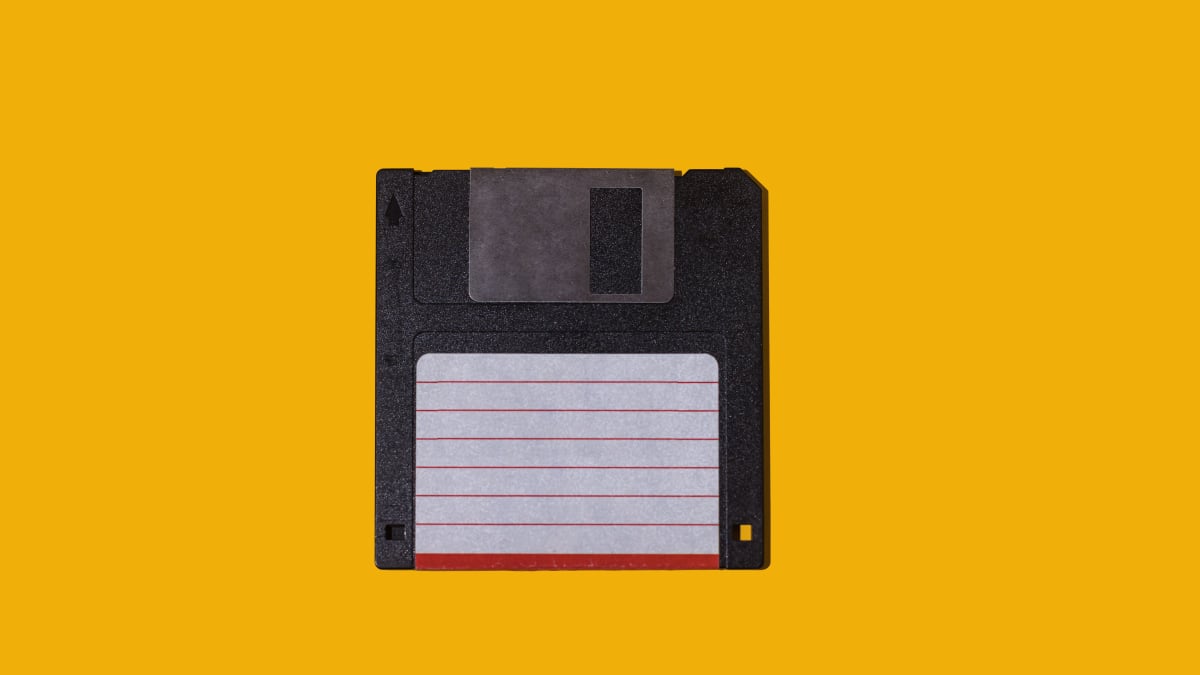
When was the last time you used a floppy disk? If you’re the U.S. Federal Aviation Administration (FAA), the last time you used a floppy disk was today.
Well, that’s soon going to come to an end.
On Thursday, the FAA announced that it would be finally phasing out floppy disks across more than 400 air traffic control locations. The move will see floppy disks completely replaced by 2028.
Floppy disks haven’t been used broadly for decades. In fact, the last major manufacturer of floppy disks, Sony, stopped producing them in 2011.
The best tech deal this week
Products available for purchase through affiliate links. If you buy something through links on our site, Mashable may earn an affiliate commission.
Mashable Light Speed
The owner of one of the last floppy disk retailers, floppydisk.com, has previously shared that they source their supply secondhand from people all over the world who are simply looking to get rid of used and unused floppy disks sitting around their homes or in storage.
Yet, the federal agency that enforces safety regulations and operates air traffic control through the country is still using floppy disks. And they use this outdated technology for pretty critical information too, such as weather conditions, airport status updates, equipment issues, and more.
Last year, Congress approved $12.5 billion in funding to address the U.S.’s outdated air traffic control systems. The U.S. Department of Transportation is also seeking another $30 billion for additional upgrades.
In addition to replacing floppy disks, the FAA is looking to upgrade its computer systems. According to Reuters, the FAA’s telecoms systems are run on “decades-old Compaq computers” and parts purchased on eBay.
Want more tech and digital culture news delivered to your inbox daily or sent straight to your device? Sign up for Mashable’s Top Stories newsletter or get Mashable push alerts today.
