## Market Snapshot
The market for “Will 20 ships transit the Strait of Hormuz on any day by May 31?” is currently priced at 67% YES. This represents a decrease from 76% YES 24 hours ago. The market for “Strait of Hormuz traffic returns to normal by May 15?” is priced at 2.4% YES, down from 4% 24 hours ago.
## Key Takeaways
– The confirmed attack appears to indicate increased targeting of neutral shipping, suggesting reduced likelihood of 20 ships transiting by May 31. – The halt in maritime traffic is consistent with decreased chances of a return to normal traffic levels by May 15. – Observations suggest that broader regional instability could further impact maritime movements in the Strait of Hormuz.
## Article Body
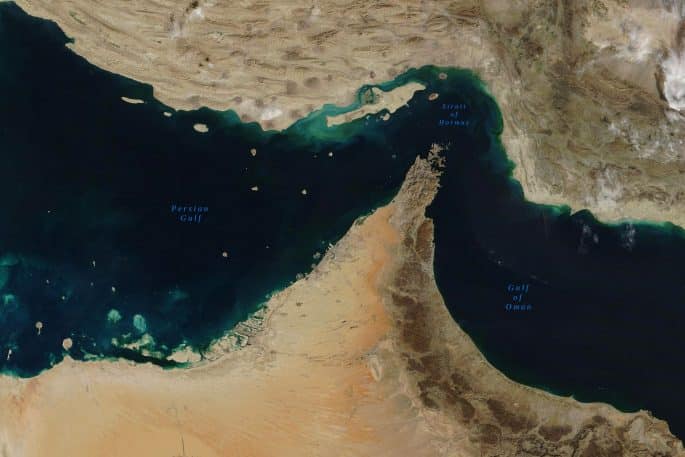
China has confirmed that an oil tanker was attacked in the Strait of Hormuz, escalating concerns about the safety of neutral shipping in the volatile region. The incident is part of the ongoing hostilities between the United States and Iran, with the Islamic Revolutionary Guard Corps (IRGC) accused of targeting multiple merchant vessels. The Strait of Hormuz, a critical maritime chokepoint, has seen a cessation of commercial traffic due to heightened military activity. This development marks the first confirmed attack on a Chinese-owned vessel, broadening the scope of targeted shipping amidst mutual ceasefire violation accusations.
## Market Interpretation
Market pricing suggests that the attack has had a high impact on expectations for shipping activity in the Strait of Hormuz. The decrease in YES pricing for ship transit by May 31 is consistent with scenarios where heightened risk deters commercial navigation. Similarly, the low probability of a return to normal traffic by May 15 reflects continued uncertainty and potential for further disruptions.
## What to Watch
Key factors to watch include any official statements from the IRGC or U.S. Central Command regarding maritime security operations. Additionally, any diplomatic efforts or announcements related to ceasefire negotiations could influence market expectations. Observers should also monitor insurance company policies, as changes in coverage could significantly affect shipping decisions in the region.
Get prediction market intelligence as a structured API feed. Early access waitlist.
