
Key Takeaways:
- FBI IC3 logged $11.37B crypto losses in 2025, up 22% YoY across 181,565 complaints.
- Investment scams drove $7.2B losses, dominating IC3 data and targeting U.S. users via social apps.
- Chainalysis sees $17B global scam activity ahead, with AI tools shaping next fraud wave.
FBI IC3 Report Reveals Record Crypto Losses in 2025 Across the United States
The figure, detailed in the FBI’s Internet Crime Complaint Center report, reflects $11,366,669,732 in crypto-linked losses, a sharp rise from $9.3 billion in 2024. The jump represents roughly 22% growth year over year, signaling that crypto-related fraud continues to scale alongside broader internet crime activity.
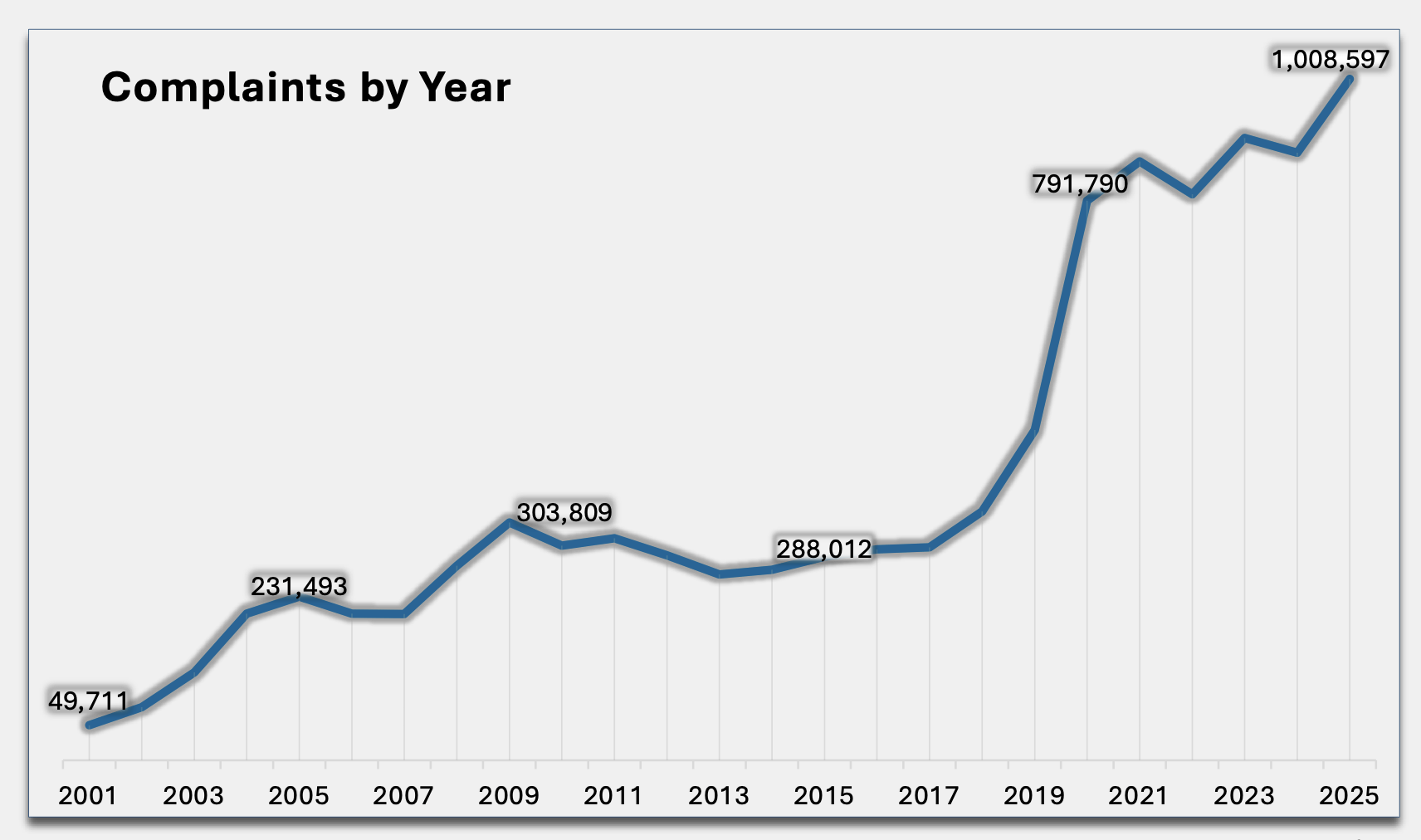
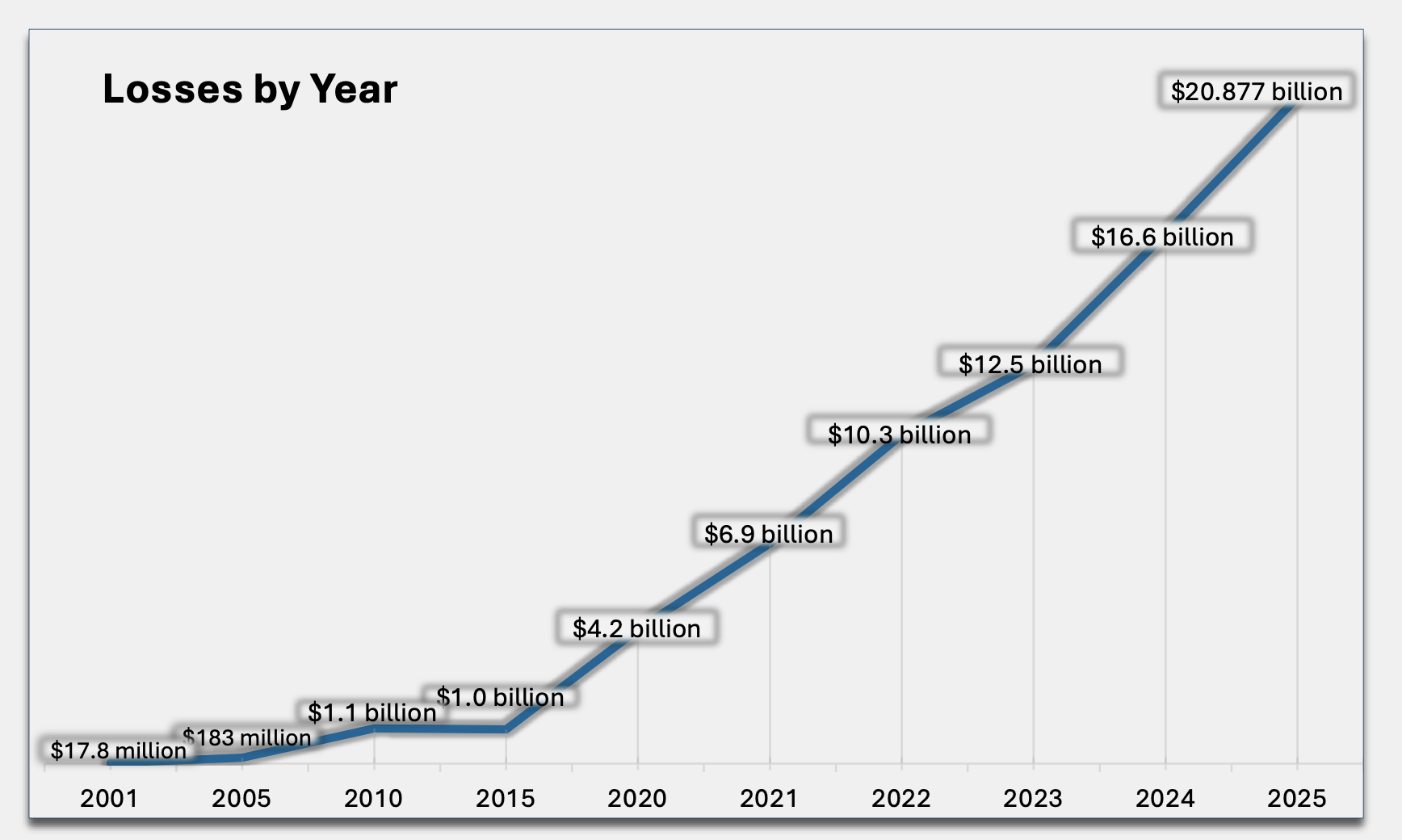
The FBI logged 181,565 cryptocurrency-related complaints in 2025, up about 21% from the prior year. That volume made crypto the single largest loss category across more than 1 million total complaints filed with IC3. Total reported cyber-enabled losses reached $20.88 billion, with crypto accounting for more than half of the damage.
Investment fraud remained the dominant driver. The report shows 61,559 complaints tied to crypto investment schemes, resulting in $7.228 billion in losses. These scams often rely on long-term social engineering tactics, including romance-based approaches or unsolicited messages that shift into investment pitches.
Crypto ATM and kiosk scams also gained traction, generating hundreds of millions in losses and more than 12,000 complaints. Recovery scams, where victims are targeted again after an initial loss, accounted for roughly $1.4 billion in damages. Other categories included extortion, sextortion, and impersonation schemes, all increasingly using crypto as the payment mechanism.
Demographic data shows older Americans carried the heaviest burden. Individuals aged 60 and older reported roughly $4.43 billion in crypto-related losses, the highest among all age groups. Geographically, California, Texas, and Florida led the nation in both complaint volume and total losses, reflecting population size and higher exposure to digital finance tools.
The report also highlights a shift in tactics. Scammers are leaning into artificial intelligence (AI) tools such as voice cloning and deepfakes to impersonate trusted figures. Social media, text messaging, and dating apps remain primary entry points, often used to build trust before directing victims to fraudulent crypto platforms.
Despite the scale of reported losses, the FBI notes that these figures represent only a portion of actual damage, as reporting remains voluntary and incomplete. Parallel data from the Federal Trade Commission shows total U.S. fraud losses hit $15.9 billion in 2025, with investment scams accounting for nearly half.
Blockchain analytics firm Chainalysis estimates global crypto scam activity reached at least $14 billion, with projections exceeding $17 billion. The appeal for criminals remains straightforward. Crypto transactions are fast, irreversible, and operate across borders with limited friction.
Law enforcement continues to respond with coordinated efforts, including Operation Level Up, which has helped identify victims and prevent additional losses. Still, recovery rates remain low, and prevention remains the primary defense. Authorities continue to urge users to verify investment opportunities independently and avoid sending crypto to unsolicited contacts.
